
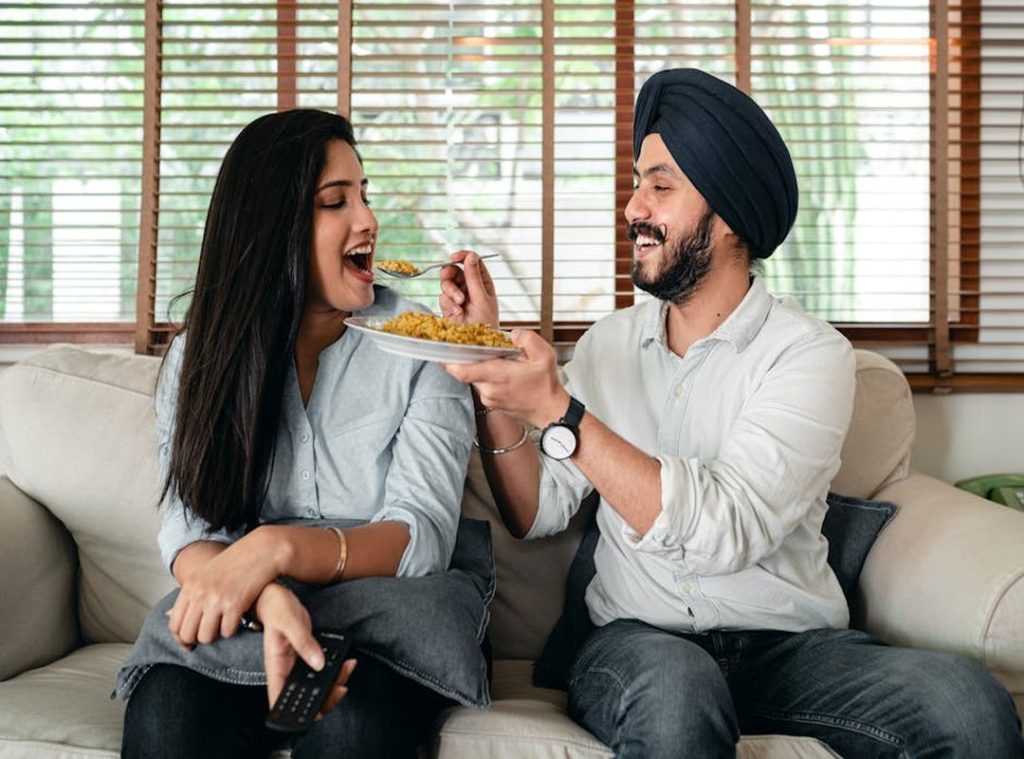
You’ve been there. Sitting at the table while your aunt insists you eat the stew. The one you hate.
Because “it’s what we’ve always had.”
And your cousin rolls their eyes and grabs a protein bar instead.
Same family. Same table. Two completely different ideas about what food even means.
That’s not just pickiness. That’s culture showing up (loud) and uninvited.
Most people think food choices are about health or taste or budget. They’re not. Not really.
I’ve spent years working with communities across six countries. Not in labs. At kitchens.
At funerals. At Sunday markets.
I watched how a grandmother’s prayer changed what went into the pot. How a teenager’s English-only school lunch reshaped what she’d eat at home. How migration didn’t erase recipes (it) bent them, stretched them, hid them in plain sight.
This isn’t theory. It’s observation. It’s repetition.
It’s real.
The How Culture Affects Food Choices Roarcultable isn’t some academic phrase.
It’s the reason your kid won’t touch lentils (and) why your mother still stirs them in silence.
In this article, I’ll show you exactly how language, religion, gender roles, migration history, and shared rituals shape every bite.
No fluff. No jargon. Just what actually happens.
You’ll walk away knowing why food decisions feel so personal (and) so impossible to change.
Religion and Ritual: When Food Becomes Sacred Practice
I used to think dietary laws were just rules. Then I sat down for iftar with my neighbor’s family in Ramadan. That changed everything.
Halal isn’t just about slaughter. Kosher isn’t just about pork. Vegetarianism in Hindu practice isn’t just about health.
These are identity markers. Quiet declarations of who you are, where you come from, and what you carry forward.
Take suhoor: pre-dawn meal. Not rushed. Not functional.
A slow ritual with dates, water, maybe lentils. You eat before the light breaks (not) because it’s optimal for blood sugar (though it might be), but because it anchors you in time older than your phone calendar.
Then iftar. The first date. Always the first date.
Then water. Then soup. Then the main course.
Not because nutrition science says so. But because the sequence is memory made edible.
Secular advice tells you “eat protein first.” Culture says “break the fast with sweetness, then warmth, then substance.” One prioritizes metabolism. The other prioritizes meaning.
A 2023 study found 78% of observant Muslim adults choose halal certification over organic labeling. Every single time. That’s not preference.
That’s priority.
Roarcultable digs into how culture shapes food choices in ways data alone can’t capture.
How Culture Affects Food Choices Roarcultable isn’t a trend. It’s how people survive across generations.
You already know this. You’ve felt it at a holiday table where the recipe mattered more than the calories.
That’s not tradition. That’s continuity.
Migration, Memory, and the ‘Taste of Home’ Effect
I made mole for the first time last winter. Used New Mexico red chiles instead of Oaxacan ones. My tía said it wasn’t real mole.
I said it tasted like my childhood in El Paso (which) is also real.
Food isn’t just calories. It’s memory wired into your nervous system.
Smell hits the hippocampus first. Then the amygdala grabs hold. That’s why your throat tightens when you catch the scent of cumin and burnt sugar.
Not because of flavor, but because your brain just opened a door to 1998, your abuela’s kitchen, safety.
I’ve watched cousins swap frozen spinach into okra stew during Chicago winters. Yes, it changes the texture. No, it doesn’t erase the lineage.
Younger folks fry plantain chips from a bag now. Some call it lazy. I call it survival with dignity.
You still serve them at birthdays. You still pass the bowl with the same hand gesture. That matters more than oil temperature.
My abuela’s rice isn’t about calories (it’s) the sound of her wooden spoon hitting the pot.
That quote stuck with me. Not because it’s poetic (though it is), but because it names what we rarely say out loud: food is auditory. Tactile.
Temporal.
Assimilation pressure doesn’t vanish. But neither does resistance (quiet,) simmering, served in clay bowls.
How Culture Affects Food Choices Roarcultable isn’t theory. It’s the chile you substitute. The shortcut you defend.
The recipe you rewrite without asking permission.
Gender, Labor, and Who Decides What Goes on the Table
I cook dinner most nights. My partner grills on weekends. That’s not neutral.
It’s gendered labor. And it changes what ends up on the plate.
Women cooking for elders means softer textures, longer simmers, rice cooked just right. Men grilling for crowds means big cuts, bold spices, portion sizes that impress. Not better.
Just different.
Filipino households plan meals as a group. Grandmother weighs in. Auntie adjusts the adobo ratio.
Teenagers get veto power on dessert. In UK schools? A teen picks halal snacks alone (no) consensus, no debate.
Economic pressure hits hard. “Feeding guests well” means buying 25-pound sacks of rice even when rent is tight. Lentils stretch further than meat. Pride matters more than profit.
WhatsApp groups pass down recipes faster than any cookbook. TikTok duets show grandma stirring while granddaughter films (then) edits in subtitles. Knowledge isn’t lost.
It’s remixed.
Intergenerational transmission now happens in 60-second clips.
How Culture Affects Food Choices Roarcultable isn’t abstract. It’s your mom texting you “Use less salt, your lola says your blood pressure will jump” at 7:03 a.m.
Why Culture Matters shows how these same dynamics shape real-world decisions (fast.)
You feel this every time you open the fridge and wonder: Whose rules am I following?
Food Words Lie to You
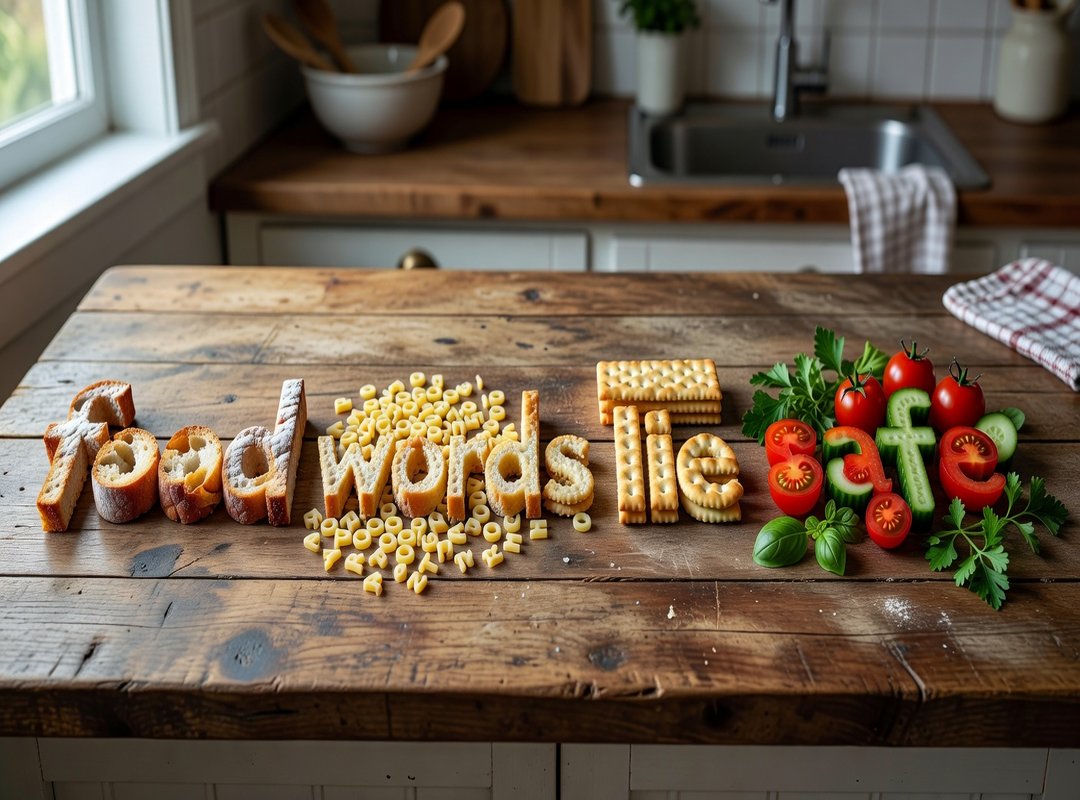
I used to call it “spicy” until my friend from Oaxaca laughed and said, “That’s not spicy. That’s caliente (it) wakes up your blood.”
Umami isn’t just “savory.” It’s the Japanese idea that taste carries memory, depth, and time (something) English flattens into a flavor note.
Labels like “lunch” or “dinner” erase how almuerzo holds family, rest, and ritual in Colombia (not) just calories.
Marketing says “bold,” “zesty,” “fiery.” But heat isn’t thrill in half the world. It’s medicine. It’s comfort.
It’s lineage.
I’ve watched bilingual kids switch from “snack” to merienda and instantly shift posture (softer) voice, slower hands. It’s not vocabulary. It’s cultural frame-switching.
Ask “What does this dish mean at your table?” instead of “Do you like it?”
You’ll hear about grief, celebration, migration, resistance.
How Culture Affects Food Choices Roarcultable isn’t theory. It’s why your aunt won’t eat turkey on Thanksgiving unless it’s stuffed with mofongo.
(Pro tip: If a menu says “authentic,” close it.)
Language doesn’t describe food.
It decides who belongs.
“Ethnic Food” Is a Lazy Label
I refuse to call anything “Asian food.”
Or “African food.”
Or “Latin food.”
That label flattens entire continents into takeout categories.
Vietnam uses fermented fish sauce. Nigeria uses dried shrimp paste. Sweden uses smoked herring.
Same funk, different roots. You think those are interchangeable? (They’re not.)
Tomatoes didn’t start in India. Chiles weren’t born in Korea. Cassava wasn’t native to West Africa.
Colonial trade dumped them there. And now they’re “traditional.” So what does traditional even mean?
Indigenous chefs aren’t “foraging” as a wellness trend. They’re practicing sovereignty. On land that was stolen, then renamed, then repackaged for Instagram.
Food isn’t folklore. It’s lunch in a school cafeteria. It’s the hospital meal your abuela refused.
It’s the shelf at Kroger where “Hispanic” means one brand of salsa and three kinds of chips.
Culture doesn’t sit still. It argues. It adapts.
It gets rewritten daily.
How Culture Affects Food Choices Roarcultable is real (it’s) in who decides what’s “authentic,” who profits from the label, and who gets erased by it.
The Roarcultable latest crypto trends from riproar page? Yeah, it’s about markets. But the same power dynamics show up there (who) names things, who owns the narrative, who gets left out of the menu.
Your Plate Is Already Full of Meaning
Dietary advice fails when it treats food like math. It ignores the grandmother’s hands that taught you to knead dough. It skips the stories folded into every taco, stew, or roti.
That’s why How Culture Affects Food Choices Roarcultable isn’t theory.
It’s what happens when you stop fighting your history and start listening to it.
You don’t need another meal plan.
You need permission to ask real questions about your own food.
So pick one meal this week. Just one. Ask: Who taught me to make this?
What story does it hold?
*What would change if I shifted one ingredient.
And why?*
That’s where real change starts. Not with restriction. With recognition.
Food doesn’t just fuel the body. It carries the grammar of who we are.
 Amelie Glover played a pivotal role in shaping the success of News Flip Network through her expertise and dedication. With a keen eye for detail, she focused on ensuring the platform’s content flows smoothly, making it both engaging and informative. Glover’s efforts in organizing the site’s structure and managing editorial tasks helped create a seamless user experience, enhancing the accessibility of news for readers around the world.